1. Will boarding my loft void my new-build warranty?
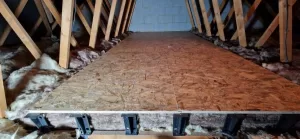
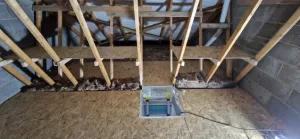
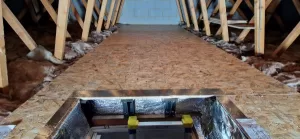
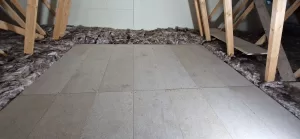
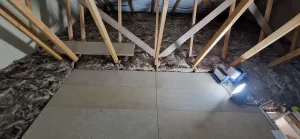
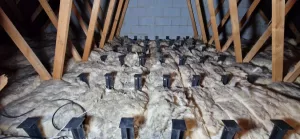
No, providing it is installed correctly. The NHBC (National House Building Council) and other warranty providers typically state that the warranty remains valid unless the installation itself causes a defect, such as structural damage or condensation from blocked airflow. Using a raised boarding system ensures you meet these requirements.
2. How much weight can a boarded loft actually hold?
- Modern Homes: Standard UK joists in newer properties are generally designed to hold 25kg per square metre of permanent storage load, plus the temporary weight of a person (approx. 180kg).
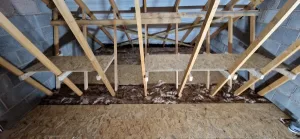
- Older Homes: Capacity varies significantly based on joist depth and span. It is often recommended to use a sub-frame system to distribute weight away from the ceiling joists and onto load-bearing walls.
3. Can I board directly onto the joists?
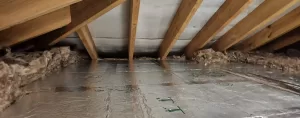
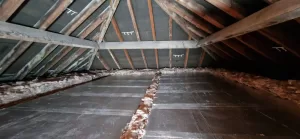
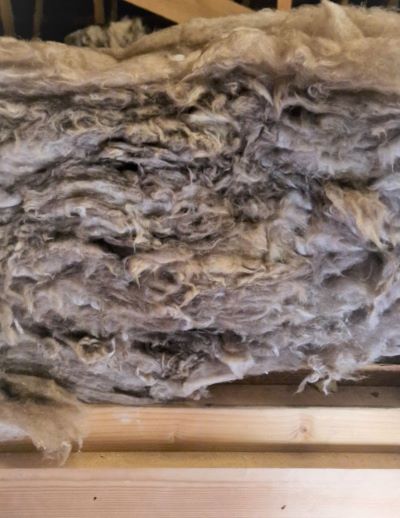
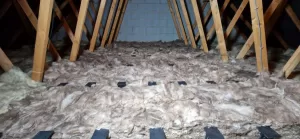
It is not recommended. Most modern lofts have insulation that is deeper (usually 270mm) than the joists themselves. Boarding directly onto joists will:
- Compress your insulation, reducing its thermal efficiency by up to 50%.
- Restrict airflow, which can lead to damp, mould, and wood rot.
- Cause structural stress on your ceiling, potentially leading to cracks in the plaster below.
4. Do I need planning permission for loft boarding?
No, planning permission is not required if the loft is being boarded strictly for storage use. It falls under "permitted development" rights for minor home improvements. However, if you are converting the loft into a habitable living space (like a bedroom or office), you must comply with full Building Regulations.
5. Can I board my loft myself?
Yes, it can be a DIY project using products like Loft Legs however, professional installation is recommended to ensure:
- Electrical cables are safely re-routed (never buried under boards).
- Adequate ventilation is maintained at the eaves.
- The system is structurally sound for the age of your property.
6. How long does the installation take?
For an average-sized loft (approx. 15–20m²), a professional installation of a raised boarding system and a loft ladder typically takes one to two days.
7. What can I store in a boarded loft?
You can safely store common household items such as seasonal decorations, suitcases, and boxes. You should avoid storing heavy furniture, gym equipment, or concentrated point loads (like a water tank) unless the floor has been specifically reinforced
Here is the updated list of common questions with specific pricing estimates for the Bristol area to help your customers budget for their loft improvements.
8. How much does loft boarding cost in Bristol?
For a professional installation in Bristol, the average cost for a standard project is between £962 and £1,842.
- Basic Boarding: Starts at approximately £55 per m².
- Raised Boarding Systems: For a 15m² area, expect to pay around £1,050, rising to roughly £2,800 for a larger 40m² area.
- Complete Packages: Most Bristol homeowners spend between £1,500 and £3,000 for a full storage solution that includes boarding, insulation, and a loft ladder.
9. Can I board directly onto my joists to save money?
No, it is highly discouraged. While basic chipboard laid directly on joists is the cheapest option, it compresses your insulation and blocks airflow. This often leads to condensation and damp issues. Using a raised system (costing approx. £72–£100 per m²) preserves your insulation's 270mm depth and protects your home's thermal efficiency.
10. How long will the installation take?
Most professional loft boarding projects are completed in one to two days.
11. Will this increase my home's value?
While not as significant as a full £25k–£60k loft conversion, professional boarding is considered a "high-yield" minor improvement. It adds valuable, clean storage space that appeals to buyers in a competitive property market.